
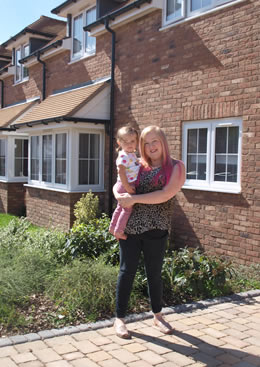
If the shortage of affordable homes in rural England is so serious, why do we not simply build more homes in villages?
It is a fair question. The answer is not that we lack a solution. In fact, the planning system already contains a tool designed for exactly this purpose. It has existed since 1991, is protected in national planning policy, and has a strong track record of delivering small, well-designed affordable housing schemes in rural communities.
It is called the rural exception site. The problem is that too many rural areas are still not using it.

Rural exception sites allow small parcels of land, usually on the edge of villages, to be used for affordable homes where there is clear evidence of local need. These are sites that would not normally be released for open-market housing. Because of that, the land can be brought forward at a much lower value, making genuinely affordable homes possible in places where normal market prices would make them unviable.
Just as importantly, the homes are protected for local people. They are built to meet a proven need and remain affordable over the long term. Priority is given to people with a local connection, such as people who live, work or have family ties in the parish.
That matters. In many villages, the people being priced out are the same people who keep rural communities working: carers, teachers, farm workers, hospitality staff, young families and older residents who want to stay close to support networks. Without affordable homes, villages risk losing the people who sustain local schools, shops, services and community life.
Research by University College London, commissioned by the Rural Housing Network, shows the scale of the missed opportunity. Of 145 rural local authorities in England, only 25 delivered affordable homes through rural exception sites in 2021 to 2022. Together, they delivered 546 homes. The research estimates that, if rural councils made fuller use of the policy, around 3,000 additional affordable homes could be delivered each year.
In national housing terms, 3,000 homes may sound modest. In rural terms, it could be transformational. Rural exception site schemes are usually small, often around six, eight or a dozen homes. Spread across the villages that need them, that level of delivery could help hundreds of communities remain mixed, sustainable and alive.
So what is getting in the way?
The UCL report is clear that the barriers are real, but not impossible to overcome. Planning teams are under pressure. Some councils lack the capacity to support small rural schemes properly. Some local policies are too restrictive or unclear. In some places, landowners have unrealistic expectations about land value. In others, local anxiety about development is not addressed early enough.
But the research also shows what works.
Successful rural exception sites depend on strong local partnerships. Parish councils, local authorities, landowners, housing associations and communities all need to be involved early. Housing need must be evidenced properly. Sites need to be chosen carefully. Local people need honest information about what is proposed, who the homes are for, and how they will remain affordable.
One role stands out in particular: the Rural Housing Enabler. These are the people who help communities understand local need, speak to landowners, support parish councils, and keep schemes moving. Where Rural Housing Enablers are active and properly supported, delivery is stronger.
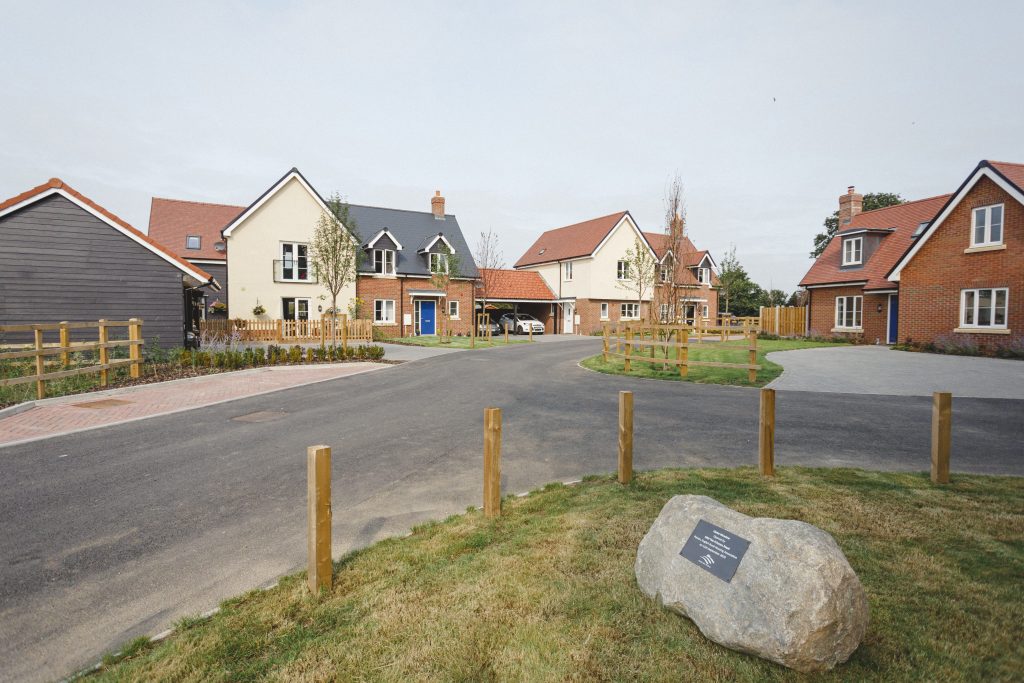
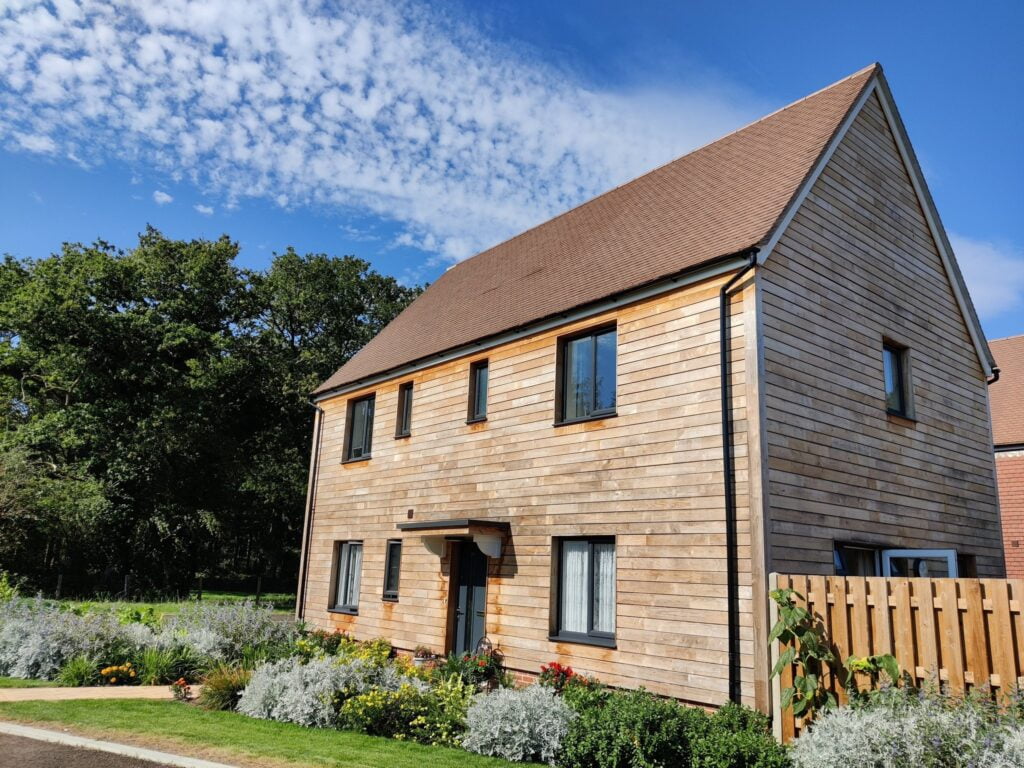
English Rural’s own experience shows what this looks like in practice. At places such as Warehorne, Staple, Roxwell and Dunsfold, small rural exception site schemes have delivered homes for local people through patient partnership working. These schemes are not speculative estates. They are carefully planned homes, designed around local need and village character.
Rural Housing Week is a good moment to be honest about this. We do not need to choose between protecting villages and providing homes for local people. Rural exception sites help us do both.
The land is there. The need is there. The policy is there.
What is needed now is the ambition to use it: councils that prioritise rural affordable housing, long-term support for Rural Housing Enablers, landowners willing to make a lasting contribution, and housing associations ready to work parish by parish to turn local need into local homes.
Rural exception sites are not the whole answer to the rural housing crisis. But they are one of the clearest, most practical answers we already have.
And in villages where even a handful of affordable homes can keep families, workers and support networks together, that is not a small thing. It is exactly what rural housing policy should be doing.
Web accessibility statement © English Rural Housing Association. All rights reserved. Web design and development by Nvisage


