
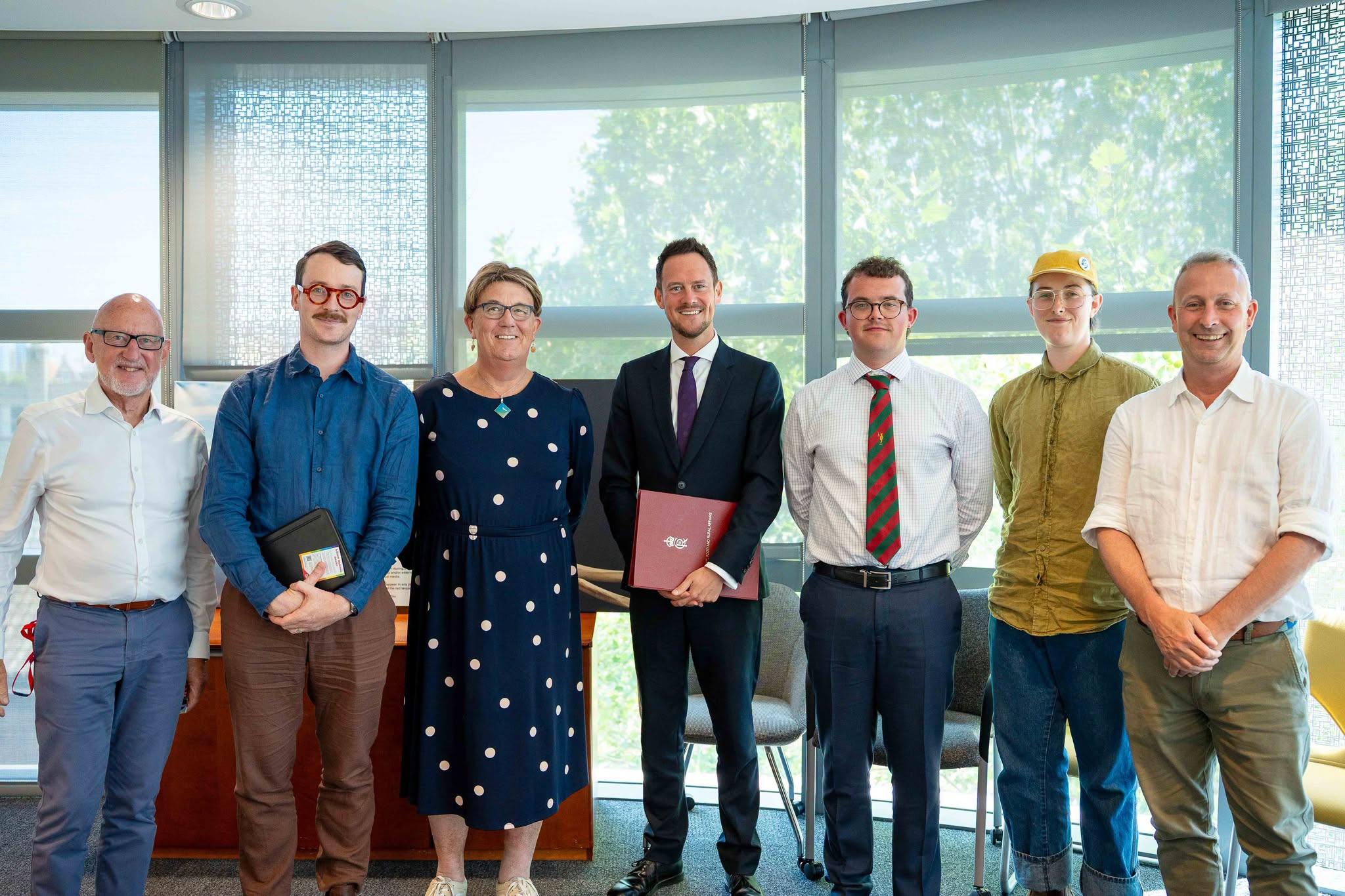
Yesterday our Head of Communications & Technology, David Barrowcliff, joined a ministerial round table hosted by Stephen Morgan MP to explore the issues facing LGBTQ+ people living and working in the countryside.
The discussion was informal, honest and wide-ranging, covering community safety, rural isolation, housing, transport, health care, digital access and the need for visible, trusted support in rural places.
The conversation reinforced something English Rural sees through its own work: rural life can be deeply rooted, supportive and connected, but it can also be isolating if people do not have access to the right home, the right services, or a community where they feel safe to be themselves.
For LGBTQ+ people, those challenges can be sharper because visibility in a small place can feel very different from visibility in a town or city.
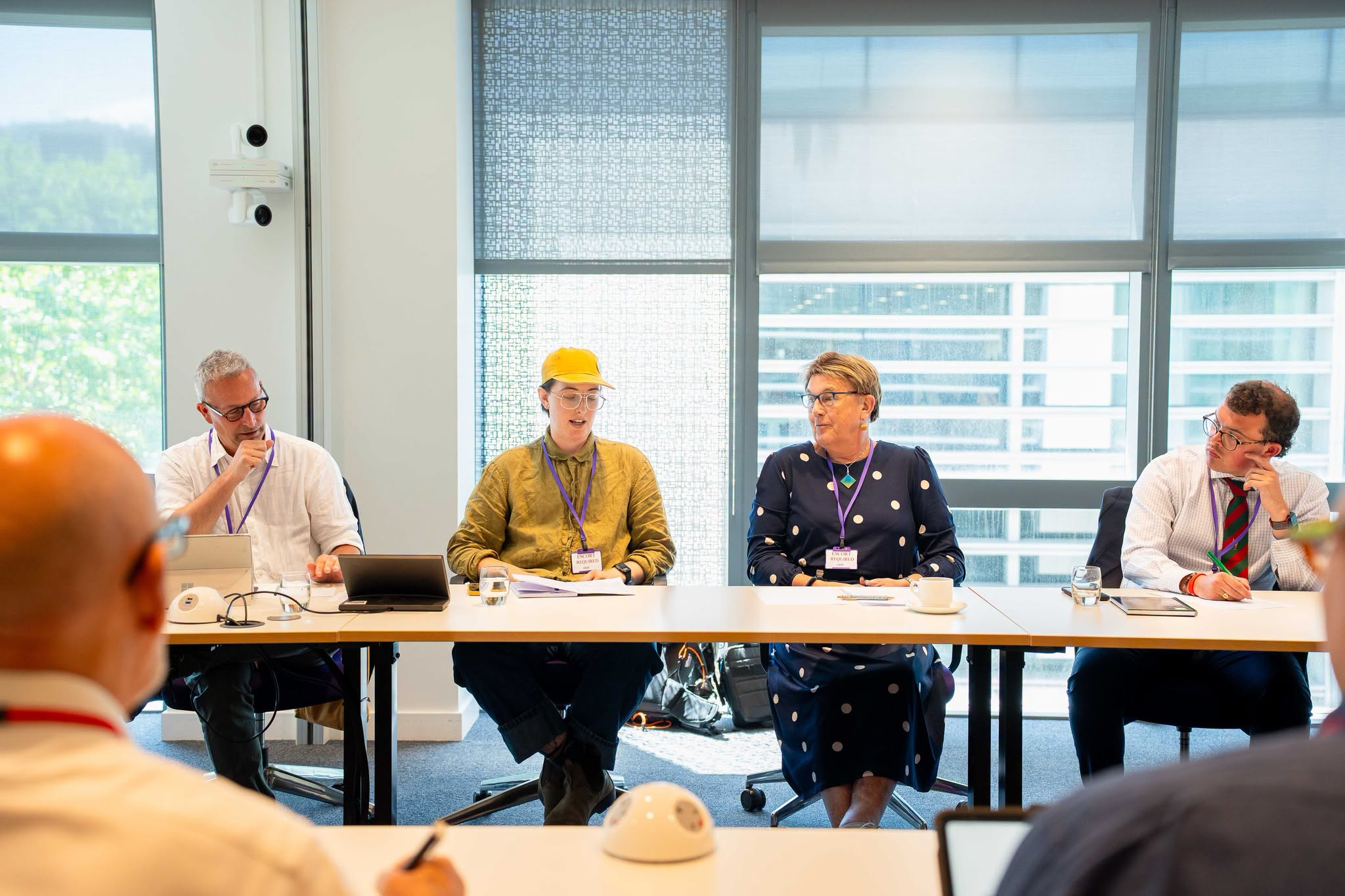
A strong theme from the round table was isolation. Participants spoke about people who feel lonely, disconnected or unable to find others with shared experiences.
In rural areas, community opportunities can be much harder to reach, particularly if they are concentrated in larger towns or cities. Not everyone can travel easily, not everyone drives, and public transport may not run at the times people need it.
This matters because belonging is not an abstract idea. It is practical. It means being able to meet people, join in local life, access support, and know that help is nearby if things become difficult.
For English Rural, this links directly to why affordable rural housing matters. A secure, affordable home in a village is not just a roof over someone’s head. It helps people stay connected to their community, their services, their work and their support networks.
The round table also explored the importance of safe spaces. Participants talked about the value of small community gatherings, rural hubs and online spaces where LGBTQ+ people can connect without having to travel long distances or immediately become highly visible in their local area.
There was also discussion about the reassurance that comes from visible signs of inclusion, such as businesses, employers or community spaces making clear that discrimination is not accepted.
For rural housing providers, this is an important reminder. Safety is not only about buildings and repairs, although those things matter. It is also about whether residents feel respected, listened to, and able to raise concerns without fear of being judged or dismissed.
In practice, that means inclusive resident communication, careful signposting, strong safeguarding awareness, and working with local partners who understand rural life.
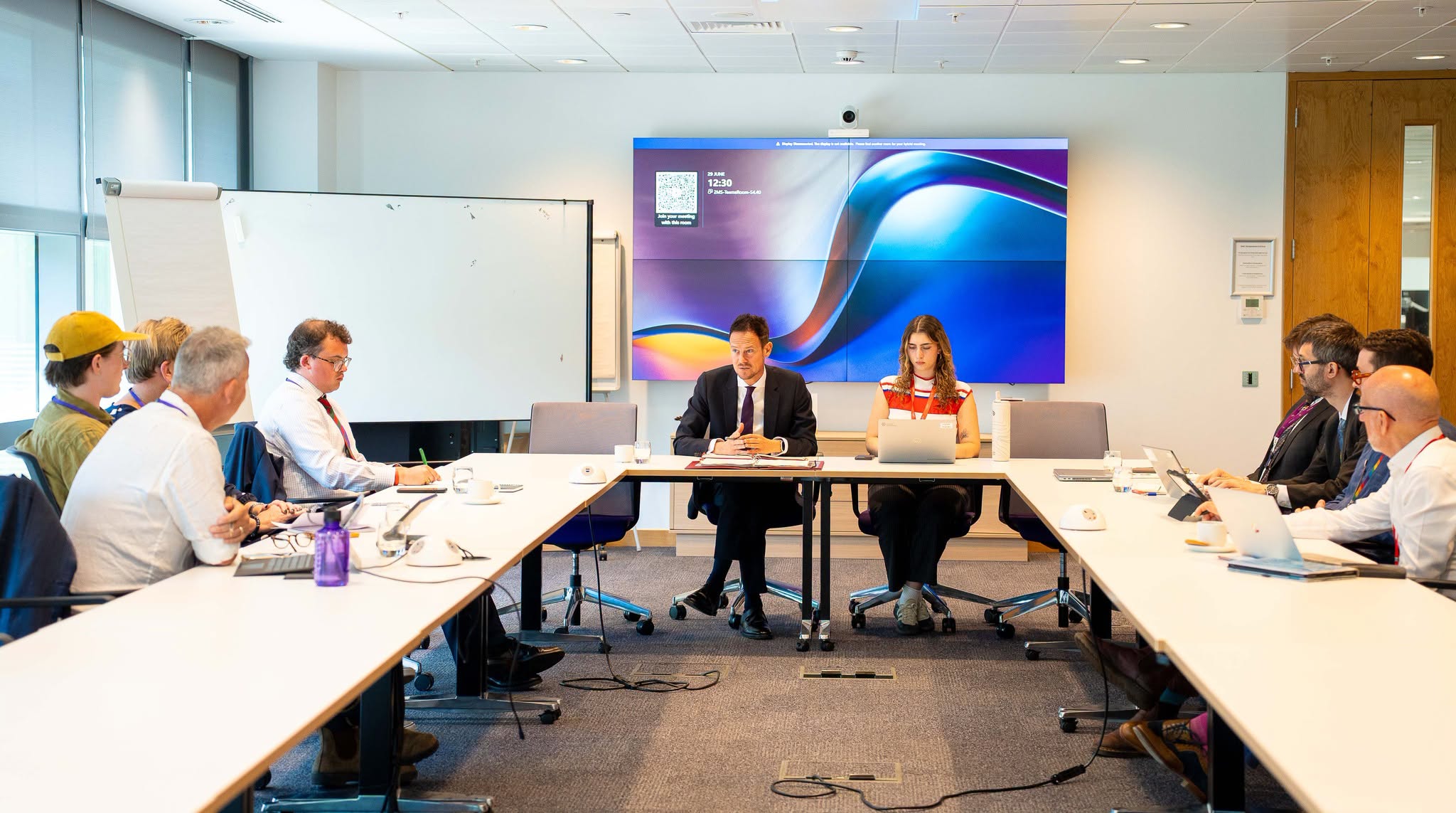
During the discussion, David highlighted housing as one of the core issues facing rural communities. He noted that rural areas are often treated as a collection of scattered places rather than as a significant part of the country with shared challenges.
This can make rural need less visible, even though the impact is very real for people who cannot find an affordable home in the place where they live, work or belong.
This is central to English Rural’s purpose. We provide affordable homes in rural villages so that people are not priced out of their own communities. That matters for young people, older people, families, key workers and anyone whose life is rooted in the countryside.
It also matters for people who may already feel marginalised. If someone does not have a safe and secure home, it becomes much harder to build the stability, confidence and connection that all of us need.
The round table included discussion of hidden homelessness in rural places. Participants described how people without a secure home may not always be visible in official statistics or on high streets. They may be staying in caravans, barns, woodland, tents, unstable arrangements or temporary accommodation that is not easily counted.
This is one of the reasons rural housing need can be underestimated. If a problem is hidden, it is easier for funding, policy and service design to miss it.
For LGBTQ+ people, especially those who may have experienced family rejection, discrimination or unsafe living situations, the risk can be even greater. Affordable rural housing is therefore not only a housing issue. It is also part of a wider response to safety, dignity and inclusion.
Housing cannot be separated from the wider rural picture. Participants raised transport as a major barrier, particularly when services, social opportunities and support groups are located many miles away.
The discussion also touched on access to health care, including the need for services that understand and respect LGBTQ+ people’s experiences. Digital access was another important theme, with recognition that some rural residents still struggle with poor connectivity, limited mobile signal or low confidence using online services.
These issues reinforce why rural inclusion must be practical. It is not enough to say that support exists if people cannot get to it, cannot afford to access it, do not know about it, or do not feel safe using it.
For English Rural, this means continuing to think about homes as part of a wider community network. Where people live affects whether they can reach a GP, catch a bus, get online, meet friends, report concerns, or take part in village life.
Another powerful theme was visibility. The discussion recognised that some LGBTQ+ people in rural communities may want to stay private because they fear gossip, hostility or discrimination. Others may want to be more visible but lack safe routes to do so.
In small communities, being seen can feel more exposed than it might in a larger urban setting.
That is why choice matters. People should not have to leave the countryside to feel accepted. Nor should they have to be visible before they are ready.
Good rural inclusion creates different routes into support: quiet signposting, trusted local contacts, online spaces, community events, inclusive employers, safe housing services and respectful conversations.
For English Rural, the round table was a useful reminder that affordable rural housing is about more than supply. It is about people being able to live safely, confidently and affordably in the places they call home.
The themes raised in the discussion connect closely with our everyday work: creating affordable homes, supporting sustainable villages, listening to residents, and recognising that rural disadvantage can be hidden if we do not look carefully enough.
The four words that stand out are simple: safe, home, belonging and nearby support.
People need to feel safe where they live. They need a secure and affordable home. They need to feel that they belong in their village or community. And they need support that is close enough, visible enough and trusted enough to be useful.
Starting next week, Rural Housing Week 2026 gives us an opportunity to keep making that case. The countryside should be a place where people can build a life, not somewhere they have to leave in order to feel accepted, supported or safe.
Affordable rural housing is one part of that answer, but it is a vital part. Without a home, it is much harder to belong. Without belonging, it is much harder to thrive.
Web accessibility statement © English Rural Housing Association. All rights reserved. Web design and development by Nvisage


