
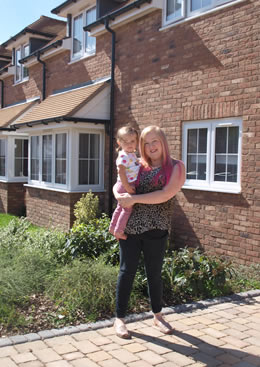
A recent in-person workshop brought together Rural Housing Enablers (RHEs) and Registered Providers (RPs) for a day of collaboration, clarity, and commitment to the future of rural affordable housing. The event marked a turning point in how these two groups work together – moving from good intentions to shared frameworks, practical tools, and a renewed sense of purpose.
“It was wonderful to meet in person and have time to explore and understand each other’s positions… The energy and engagement throughout the sessions were really inspiring,” said one attendee.
That sentiment echoed throughout the day in an atmosphere that was energising, and the outcomes were tangible.
A Day of Insight and Impact
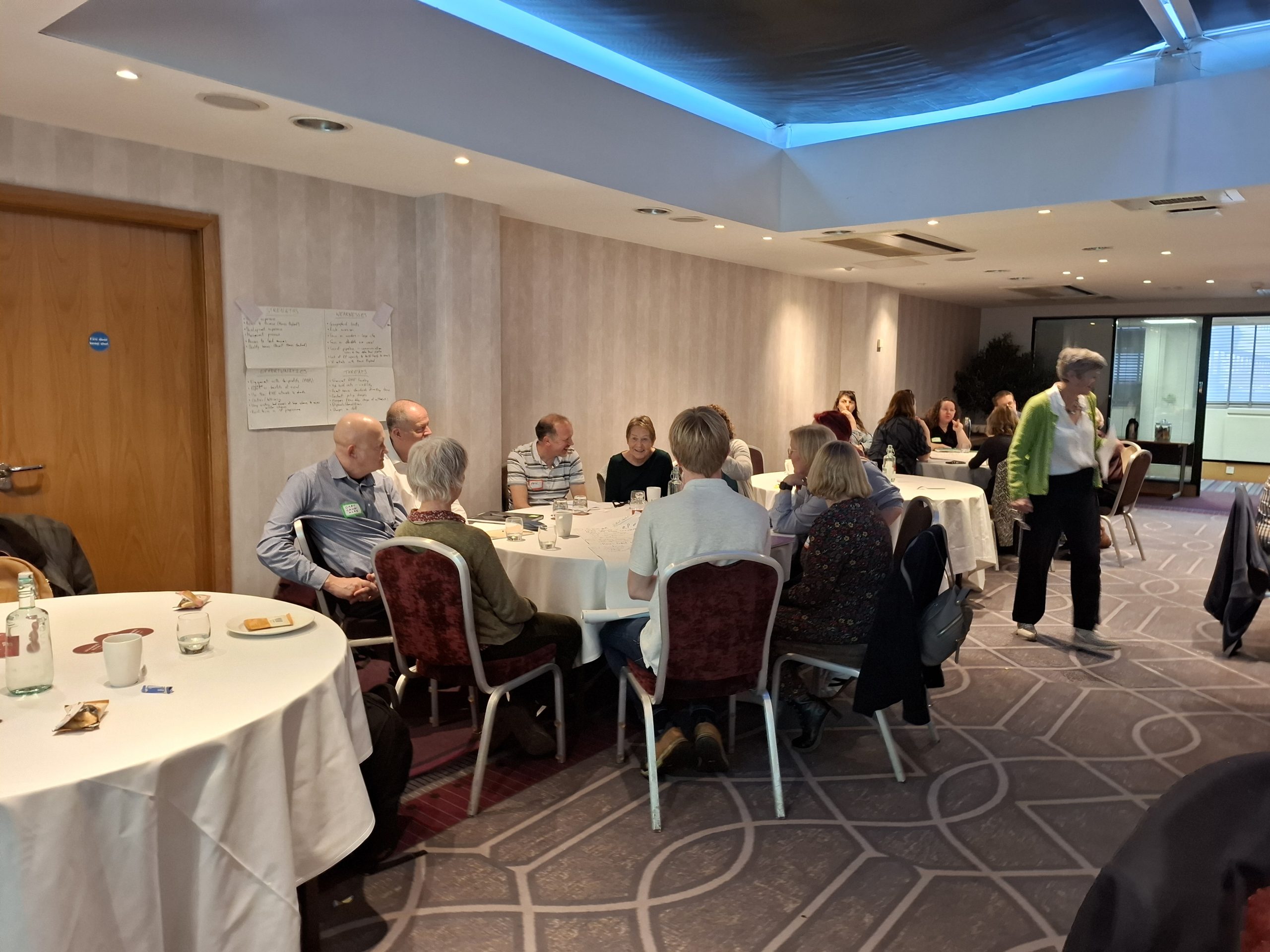 The morning session featured a joint SWOT analysis, where RHEs and RPs explored what they need from each other to succeed. The discussion was open, honest, and constructive – highlighting both the strengths of the current partnership and the barriers that still need to be addressed. The result? A clear mandate to develop a national RHE and RP Partnership Framework that sets out shared expectations, roles, and ways of working. As one participant put it,
“A consistent approach across the country would be a real step forward.”
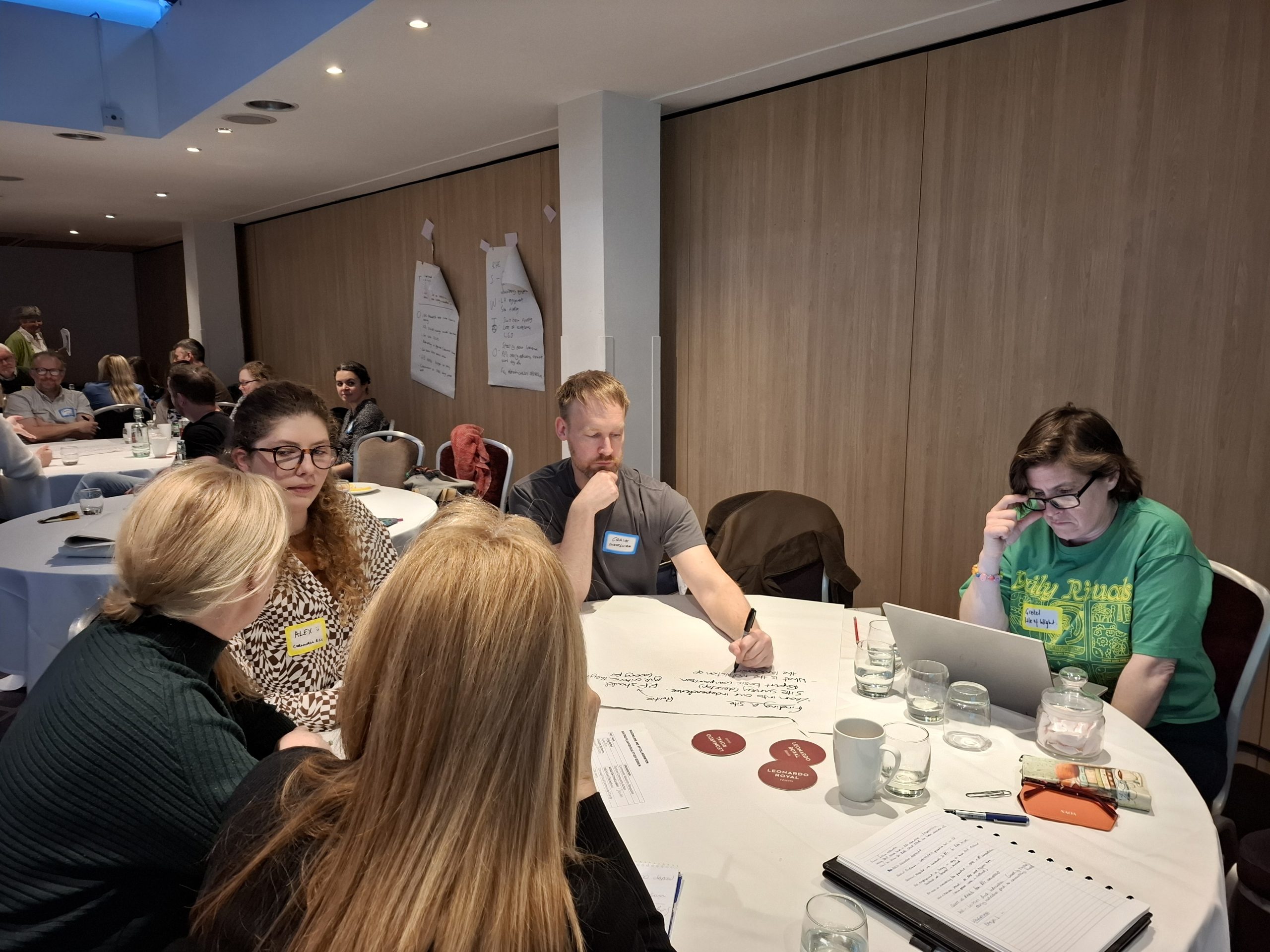
In the afternoon, attendees rolled up their sleeves for a hands-on fictitious scheme exercise. Working through a hypothetical rural housing project from start to finish, the group explored the practical realities of scheme viability, planning, and delivery. The session helped clarify who should lead at each stage of a project. It highlighted the pressures RPs face in making schemes stack up financially, and the challenges RHEs encounter in maintaining community support and mediating between the different parties involved. It also gave RHEs and RPs a better understanding of how and when they can support each other more effectively.
Appetite for Learning, Drive for Change
One of the most encouraging outcomes of the day was the clear appetite among RHEs to deepen their technical knowledge. There was strong interest in further training on the RPs’ process for scheme delivery, assessment of financial viability, site identification, and the nuts and bolts of scheme delivery. As one organiser observed,
“RHEs now have a greater appetite to engage in these technical aspects of delivery than ever before.”
Another added,
“We have a real opportunity at last to put RHEs and rural affordable housing delivery on a stable footing.”
To build on this momentum, Jo, Max, and Rebecca – who helped lead the event – are developing an action plan to deliver the training and support RHEs need. They’ll be working closely with experienced RP colleagues like Wendy and others who contributed ideas on the day. The goal is to roll out practical, targeted learning opportunities that help RHEs become even more effective partners to RPs, and vice versa.
ACRE’s Role in Driving Consistency
The workshop also highlighted the important role of ACRE (Action with Communities in Rural England) in supporting consistency and best practice across the RHE network. Suggestions included creating a shared contact directory for RHEs and RPs, publishing best practice guides and case studies, and developing templates for steering group governance – drawing on successful models like those in Essex and North Yorkshire.
Funding, Policy and the Bigger Picture
While the day focused on practical collaboration, participants also looked to the future. A key message was the need for long-term, secure funding for the RHE network. ACRE is working with Defra to extend the RHE funding, and there was strong consensus that continued investment is essential to maintain momentum and avoid disruption. In the meantime, it will be helpful to agree a more consistent fee structure charged to RPs for RHE services across the country. Together, these steps will ensure that valuable local knowledge, relationships, and delivery capacity are not lost.
There was also a call for a more joined-up approach and for early and active engagement from Homes England and local authorities. Their engagement with RPs developing small rural schemes and attendance at RHE steering group meetings would create a more enabling environment for rural housing delivery. The workshop organisers have committed to raising these points in upcoming meetings with Homes England.
 A Real Step Forward
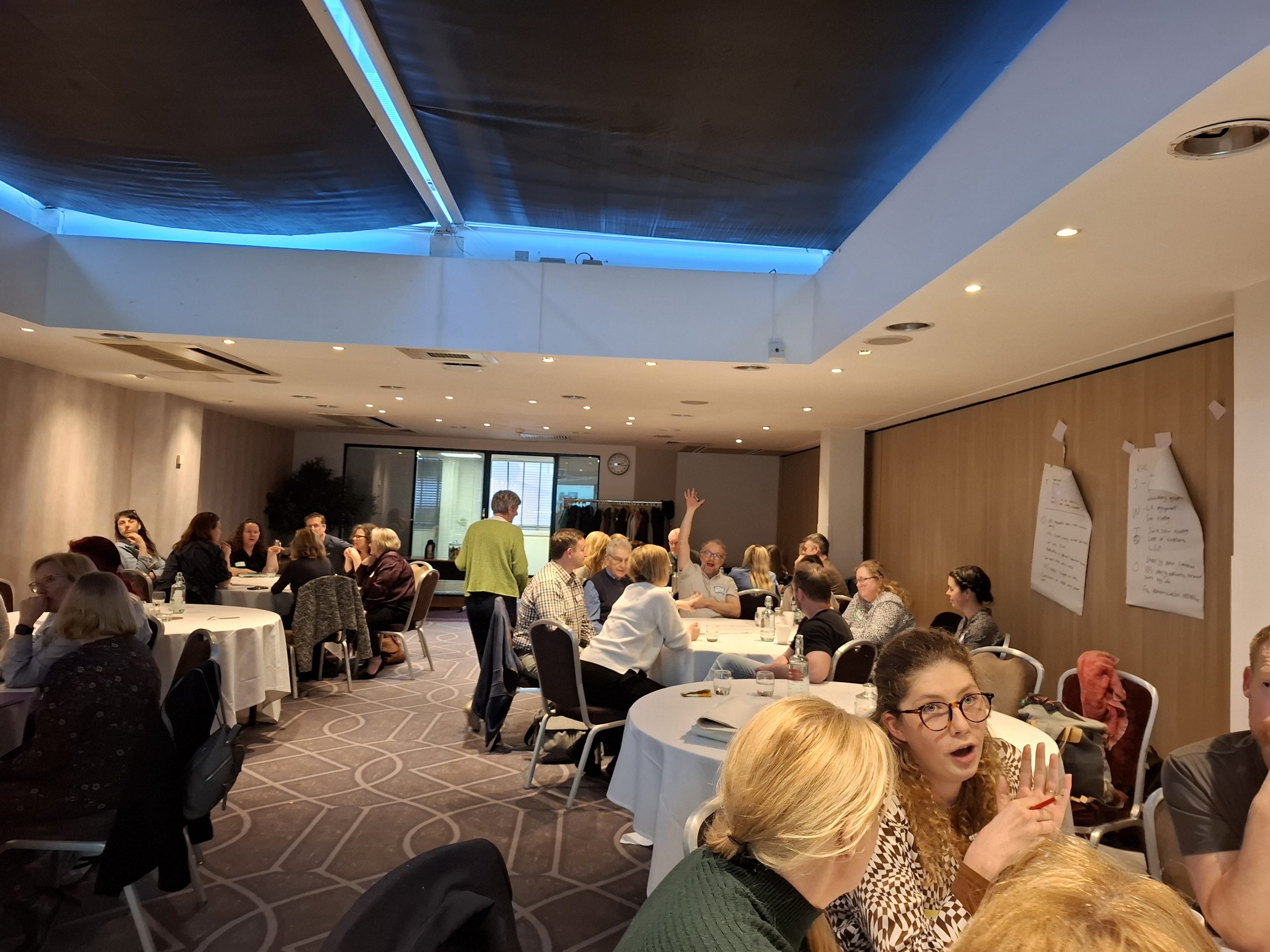
As the day drew to a close, there was a shared sense that something important had shifted. The event had not only strengthened relationships between RHEs and RPs – it had created a roadmap for working together more effectively. Many left with a renewed sense of purpose and a clear set of next steps.
The challenge now is to keep the momentum going. That means delivering on the action plan, including the RHE/RP Partnership Framework, and securing the funding and policy support needed to turn ideas into homes. But with the energy, commitment, and collaboration on display at this workshop, there’s every reason to believe that rural communities across the country will benefit from stronger partnerships – and more affordable homes – in the years ahead.
Web accessibility statement © English Rural Housing Association. All rights reserved. Web design and development by Nvisage


